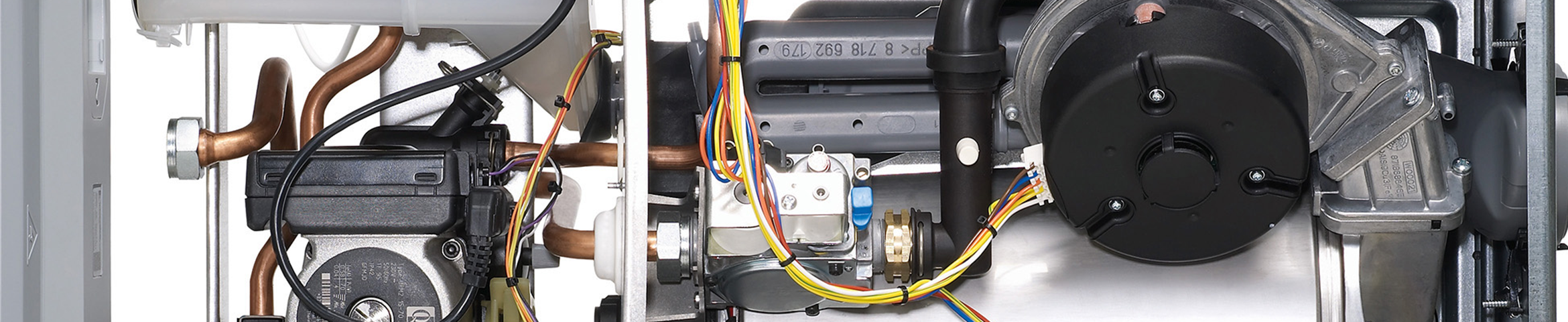
Your boiler is usually something that is out of sight and out of mind, so long as it’s working like it should then life continues happily and hot water flows without interruption. But if your boiler should start making funny sounds or emit noises that start to catch your attention then it’s a sign that things aren’t as they should be and you should probably investigate to get it sorted by a professional sooner rather than later.
Before delving into the possible causes for your boiler’s funny noises we want to reiterate the importance of safety and that you must not go opening up or messing about with the components or inner workings of your boiler - leave that sort of thing to the professionals. Not only is messing about with a boiler dangerous (hello electricity, hot water, gas!) but tampering with your boiler if you’re not formally qualified to do so could seriously jeopardise any warranties or guarantees you may have with your manufacturer. So please do not attempt to perform any repairs that you are not qualified to do, instead utilise the information in this post to help ascertain the cause of the noise so you can better convey the problem to your repair person.
Pinpoint where the noise is coming from
First thing’s first, identify the source of the sound. This seems simple enough but if your boiler is part of a central heating system then the noise could be coming from anywhere in that system, travelling along the network of pipes and vents throughout your property. You’ll need to do some listening and detecting to determine whether the sound that is causing you concern is coming from your boiler, a radiator or a central heating pipe. Pinpointing exactly where the noise is coming from will help you to narrow down the cause.
The boiler is definitely making funny noises
If you have narrowed it down to the boiler definitely being the source of those concerning noises then it’s time to troubleshoot some potential causes (and remedies) to your noisy situation. It’s important to remember that your boiler is a working machine so some sounds are to be expected, but if your boiler has begun making noises that are either unfamiliar, louder than you’re used to or anything that is out of the ordinary to what would be expected from a healthy boiler then there’s a list of things to check and do before phoning for some professional advice.
Review the water pressure
If you hear a gurgling sound that isn’t the norm then check your water pressure as water pressure that is lower than the optimum operating level can cause your boiler to gurgle abnormally. Check the manometer (that’s the water pressure gauge) to see if the pressure is at the correct level. You’ll find this gauge usually near where the mains pipes connect to the boiler. If the pressure is too low there is sometimes a way to easily repressurise your boiler - consult your boiler manual and follow the steps outlined within the manual if this is safe for you to perform yourself. If this seems a bit more complicated than what you’re confident to do then it is best to consult the service of a qualified engineer.
Airlocked
Your system might be airlocked, in which case bleeding the system will help. Bleeding the system sounds a bit barbaric but rest assured, it involves no blood (when done correctly). Bleeding the system simply means removing it of trapped air. Sometimes air pockets can occur and that can be the cause of the gurgling noises (cue the sounds of a grumbly belly full of wind). Trapped air in the system is a common occurrence and isn’t always a sign of some other serious impending doom. Furthermore the good news is that bleeding the system to remove the trapped air can be done without the need to phone in a professional and is actually probably something you should do annually before switching your heating back on after it has been dormant for a period of time.
How to bleed your radiators
- Completely open all radiator thermostats and run your heating at maximum temperature for around 10-15 minutes with all radiators on full
- Turn the circulation pump off and wait until radiators have cooled down - this often takes around 30-60 minutes
- Bleed the radiator nearest the boiler using a bleed key or screwdriver until water comes out (repeat this step on every radiator you have connected to the system)
- Turn on the boiler and check the water pressure (exactly like we mentioned earlier)
Must have tools for bleeding your radiators
Inspect the circulation pump
If you have done the above but you’re still hearing those noises then it is possible that there might be a problem with the circulation pump. In most instances, the noise will be caused by the pump operating at a speed above its normal rate. If your boiler has an option to slow down the speed of your circulation pump, this may fix the problem. But if it doesn’t then it’s likely best to phone in a professional to have them take a look at it.
Vibrating or ‘whooshing’ coming from the boiler
Loud noises and excessive vibrations can feel ominous (especially when your boiler never used to make these before, don’t pack your bags and run for the hills just yet though as the cause could be something easily remedied. It’s important to remember that noises and strange behaviour doesn’t always signify imminent danger however they still shouldn’t be ignored as what could be an easy fix now may turn into a major repair later if it is left unaddressed.
Inspect the flue / ventilation vents
If you find that your boiler is making a ‘whooshing’ sound or perhaps vibrates excessively like a top loading washing machine then it could be due to a blockage to the air intake. Do an inspection of the external pipe on the outside of your building to make sure there’s nothing obstructing it. Keep a lookout for debris like leaves, bird nests, fluff and the like and remove them immediately using a dry brush or hoover. Make sure you can detect some air movement by placing your hand over the vent after cleaning and inspecting. Take special care if your vent is up high and you need to use a ladder to reach it.
Examine the air filter
The air filter in a boiler is similar to that of air filters you find in cars and hoovers. Some boilers have user-serviceable air filters (this will be outlined in your manual) and owners are encouraged to regularly check and clean these (often just with the use of a simple household vacuum or dry brush). If however your filter isn’t meant to be accessed by anyone other than a professional then it’s best to leave it to a qualified engineer so just mention it to them when they come to your property and ask them to clean it for you during their visit.
Buzzing or whining coming from the boiler
Now this sound is a genuine red flag. A buzzing or whining coming from inside your boiler could be due to worn pump bearings, the fans vibrating or even a defective burner to name but a few possible causes. However the sound alone cannot pinpoint the exact issue and a professional will need to be brought in to diagnose the problem and get your boiler repaired. This is definitely something beyond the scope of a DIY enthusiast and something best left for a qualified professional.
If you’ve stuck with us to the end of this article we hope you’ve been able to ascertain the cause for your noisy boiler and we hope you’ve maybe been luck enough to easily resolve it. If however you find yourself in the unfortunate position and still have a boiler emitting concerning noises then we strongly encourage you to seek professional advice. Your manual may have a consumer contact number listed where they can recommend a registered trade professional in your area or if it is an emergency check your home insurance policy to see if your boiler is covered in such instances. Remember that when it comes to boilers safety should always come first, never attempt repairs not recommended by your manual and never those outside your qualified skillset.
