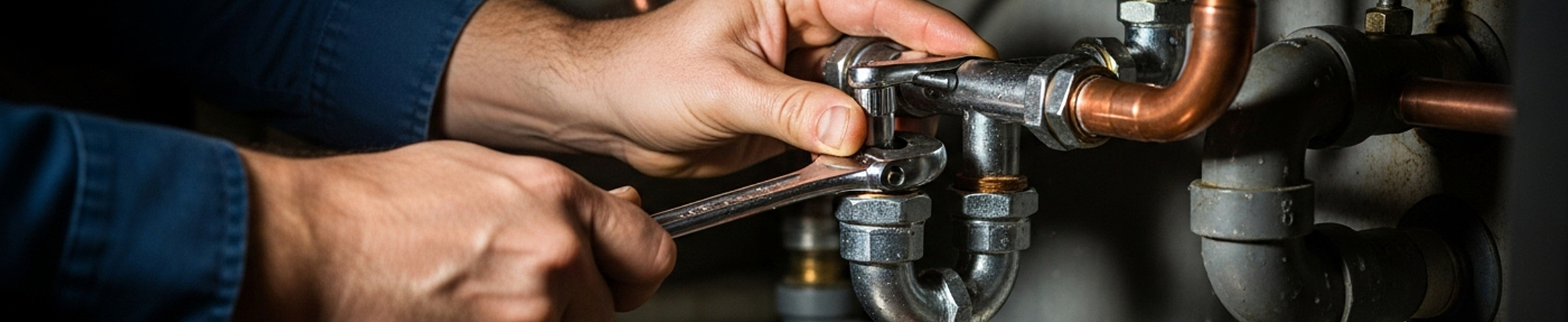
Are you a DIY-er that is looking to build your own home DIY plumbing repair kit? Tackling small plumbing repair work like leaky taps and running toilets doesn’t always need the call out of a professional tradesperson. With determination, some graft and a correctly stocked home plumbing repair kit you can tackle these tasks yourself. Plus a job completed on your own can earn you a sense of satisfaction that paying someone just doesn’t give (also extra pennies in your pocket is always a welcome bonus to a job well done).
It may surprise you to see that we haven’t included the trusty old cliched plunger in our must have tool list - worry not! We will show you on the blog later on just how you can (in a pinch) unclog without a plunger, so with that said let’s dive into what we’ve included on our must have home DIY plumbing repair kit list and exactly what each item does.
The top 10 items and what they do
We have listed the essential must have items below. We have given a brief explainer of what they’re used for so you can understand exactly why they have made the list of his essentials. If you’re needing any of these items you can purchase them from us via our website, over the phone or just pop in store to our trade counter and we’ll be happy to help you get kitted out for tackling your next home DIY plumbing project.
1. Box of tap washers (mixed sizes)
Now this one is fairly explanatory, often the cause of a simple drip can be fixed with the replacement of a washer. Taps and pipes come in different sizes, hence the need for different washers. Having a small variety on hand in your kit is essential and a tap washer variety box is ideal.
2. Adjustable Spanner
Ahh the trusty old adjustable spanner has many names… adjustable wrench, shifting spanner or the simple ‘shifter’ for our down under mates. This tool is used to loosen or tighten a nut or bolt and no reliable DIY kit of any kind is complete without one.
3. Water Pump Pliers
Like the spanner this has many names depending on where you're located. Also known as water pump pliers, adjustable pliers and my Dad’s fave Multi-Grips. They are commonly used for turning & holding nuts & bolts, gripping irregularly shaped objects, holding pipes etc. They hold all kinds of items with larger diameter too, regardless of whether they are round, square or hexagonal - hence their often used name of Multi-Grips.
4. PTFE Tape
The long winded technical name for the stuff is polytetrafluoroethylene but it’s most commonly referred to as plumbers tape. It’s white and comes wound on a small spool which makes life easier when winding round awkward and fiddly pipes and joints. It’s used to help with creating a nice tight seal with pipe threads. The spool also comes with a removable cover/case to keep it safe when not needed, don’t turn up to any plumbing project without it.
5. Solvent Cement
In layman's terms is essentially plumbers glue and also known as PVC cement. Different pipes require different compounds or adhesives to glue them together, solvent cement is primarily used on PVC and uPVC pipework. When connecting these pipes the joints are not exactly glued together, but fused or bonded via a melding chemical reaction to produce superior adhesion and waterproof bonding.
6. Pipe Jointing Compound
You may have on occasion heard a plumber mention ‘pipe dope’ and wondered what they’re on about, rest assured it’s not something acquired in a dark alley, it’s just plumbers slang for pipe jointing compound. It’s a gooey adhesive that expands inside the pipe to prevent leaks. It’s a pretty useful goo as far as goos go in that as it never fully dries, the nature of it means it will form a fast, flexible seal which is guaranteed to last for years.
7. Pipe Cutters
The function is in the name - pipe cutters for cutting pipes! Besides producing a nice neat and clean cut, this tool is often a quicker and more convenient means of cutting pipe than using a hacksaw but all of this of course depends on the metal of the pipe needing cut.
8. Small Hacksaw
Sometimes referred to as a mini-hacksaw or a junior hacksaw in some places, this is handy for cutting fiddly things in often tight and awkward spaces (think undersinks and the like). The most common materials you’ll be cutting into with this is copper and other metals along with PVC, wood and plastic tubing. You’ll often find they’re sold with a packet of replaceable blades which can also be purchased separately if need be.
9. Screwdriver Set
As essential as a hammer and measuring tape - you should already have a set of these in your all round DIY home tool box but if you don’t already, investing in a quality set will be a wise decision that your future self will no doubt thank you for.
10. Utility Knife*
Also known as a Stanley knife, you’ll reach for this more than you’ll expect. A trusty tool that is in every respectable tool box, this isn’t limited to cutting things related to just plumbing projects - you’ll be using it on all sorts of jobs so if you haven’t already got one it’s time to invest!
* Unfortunately we are unable to ship Utility Knives due to postal restrictions, however they are available from our counter, give us a call on 01862 808040.
